Showing posts with label War. Show all posts

على تلك الدرب، ابتسامة أيهم بوصلتي... لا موته


لم أكن قد أكملت أعوامي العشرة حين قرأت رواية «شرق المتوسط» لعبد الرحمن منيف. لم يكن هناك في أدب الأطفال ما يكفي لإشباع رغبتي في القراءة أو لمقاومة الملل في مدينة تحاصرها الحروب الأهلية والاجتياح الإسرائيلي، فشرعت بقراءة ما استسهلت من مكتبة والديّ.
أمي التي هالها أن تراني قد أكملت الرواية – كأنها تظن أنّ الواقع الذي كنا نعيشه كان أقل ألماً أو سوريالية – سألتني رأيي في الكتاب:
- عادي
- ما زعجك؟
- مش عارفة...
- شو؟
- في ناس عنجد بتعمل هيك؟ يعني معقول في سجون متل هيك؟
لم أتمكن من إعادة قراءة الكتاب منذ ذلك الحين، ولم يبق في ذاكرتي منه إلا بضعة مشاهد لا أستطيع الجزم إن كانت فعلاً قد وردت في الرواية. في أحدها، يوضع رأس سجين سياسي داخل كيس مع قطط عدة، ومن ثم تجلد القطط لتنهش وجهه. هالني حينها قدرة سجاني «شرق المتوسط» على ابتداع وسائل تعذيب كهذه.
■ ■ ■
وقفت أمام المرآة لدقائق اتفحص تجعيدة القلق التي بدأت تظهر على جبيني، وأمارس تقنية استرخاء عضلات الوجه التي نصحتني بها صديقتي. تقنية الاسترخاء لا تفيد، فالتوتر يأكل معدتي وكل الدموع التي تنهمر يومياً لا تكفي لتغسل إحساسي بالذنب والعار. لقد وقفت أمامهم عاجزة وهم يقتلونه. نظرت إلى عينيه، وكان كأنه لا يراني. شاهدتهم وكان بحوزتي مسدس، لكنّي من شدة الخوف لم أقوَ على انتشاله. كان اسمه أيهم، وكان يحب أكل الفشار بالزبدة، وكنت أحب أن أعانده كلما أراد أن يشاهد التلفاز.
■ ■ ■
وصلني منذ فترة خبر موته تحت التعذيب في أحد معتقلات شرقيّ المتوسط. شاب كنت قد التقيته سريعاً في بيروت، أياماً قليلة قبل اعتقاله. بسنواته العشرين وابتسامته الهادئة، بدا أكثر براءةً من أن يدخل السجن. قضى أيهم بعد ثلاثة أيام من اعتقاله فقط. لم يحتمل جسده خيال سجاني الرواية. لبطل رواية منيف في خيالي اليوم، داخل ذلك الكيس، وجه أيهم.
■ ■ ■
ذلك لم يحصل، لكنه حصل. أنا لا أعرفه، ذاك الذي استشهد مرتين. أنا أبكي دون أن أشهد على اغتيال أحد إلا إلكترونياً. أنا أبكي على نفسي وعلى العمر الذي يمضي وعلى مجرد الفكرة التي مرت، أنني من الممكن أن أحقن عضلاتي بالبوتوكس لكي لا يرى من حولي، أنّي قد كبرت أكثر من عشر سنوات في السنتين الأخيرتين. نعم، أريد أن أغشكم جميعاً لتخالوني بطلة فيلم هوليوودي، بينما أنا ابنة المخيم الأول الذي تأسس عام ١٩٤٨ والمخيم الثاني الذي دُشِّن عام ٢٠١١.
■ ■ ■
لم أعد في العاشرة من العمر، بل قد بلغت ــ ربما أياماً فقط بعد موتك ــ سنّ «الحكمة» التي ما زلت أبحث في هذه السطور عنها. رفاقك، في ذلك المكان الذي أتمناه أجمل، أصبحوا عشرات الآلاف. تزورني وجوههم جميعاً وهي تحمل ابتسامتك. تسائلني في عملي، وتطلّ على كتابتي. تحاسبني عمّا اقترفت يداي، وما تقاعست عنه. ما الذي بإمكاني أن أقدمه لجيل العشرينيات، أنا وجيلي ممن عاشوا العديد من الحروب التافهة وشاهدوا تفكك إيديولوجيات ثورية وخيانة قادتها كما تغيُّر هوى مناصريها؟ لا يبدو أنّ في جعبتي الكثير، رغم فلسطين وانتفاضاتها، ولبنان وحربه، كما حراكنا الذي تخطى حدود دويلات شرقي المتوسط على مدى عشرين عاماً.
■ ■ ■
توقفوا عن الصراخ وعن الضجيج، فلم يبق من الانسان فينا شيء سوى الغواط. لنتغوط جماعة علّ التراب يعلو الباطون، فنسمح للياسمين أن يبني له جذراً. بل ربما «اتبع طريقة رجب ذاتها: أن أدفع الامور الى نهايتها... لعل شيئاً بعد ذلك يقع». لقد وقع الانفجار حتماً ولا مكان للاختباء. كل المدن مفتوحة على المستحيل وكل القرى جبهات قتال. أنا لا أحبّ المتاريس ولا أصدّق بأنّها تحمي من تأتي ساعته. رأيتني أمشي معك وسط الشارع ونحن نغني اغنية الطفولة «هيا طر يا غرندايزر». لدينا نقص هائل في أغاني الأطفال ايضاً. ربما لاننا نختصر الطفولة بسرعة هول المصيبة عند سقوط القذيفة وعند اكتشاف قصص رعب المعتقلات في عمر العاشرة.
■ ■ ■
في شرقيّ المتوسط اليوم، مَن يقتل باسم النظام، ومن يقتل باسم الثورة ومن يهلل لهذا وذاك، وفي جنوبيّه أيضاً وفي امتداده في الصحراء. في صفحات الرأي وفي جلسات المنظرين هناك من يقول: «أنا نبيكم فاتبعوني»، فأرفع رأسي، أشكر السماء أنّها لم تفض بنبوتها على النساء. لا قدرة لي على امتلاك اليقين وفي حالة عدم الوضوح، لا رغبة لي في الوصول إليه. القلق أكثر صدقاً وتواضعاً اليوم. ليس في داخلي من الغرور ما يكفي لأقول إنّ هذا هو الدرب فاتبعوه.
■ ■ ■
لا يموت أحد، إنّها كلها فبركات الإعلام المزيف. إننا شعوب لا تموت بل تصعد مباشرة إلى السماء. أنا لا أريد أن أصعد إلى السماء! أريد أن أحفر مترين في الأرض لكي أضع رأسي بين روائح الزعتر البري والقصعين وليأكلني الدود. أريد أن أندثر بسلاسة من دون أن يبكيني أحد. إنّ دموع المارة على شبكة الإنترنت تشعرني بالانتهاك والفشل والإرهاق. هذه الصور التي لا تمنع الموت، لا تقوم إلا بتمجيد القتل والقاتل. يا ليتني مت خلال تلك الأيام حيث لم يكن هناك إضاءة. كااااات. توقفوا عن التصوير.
■ ■ ■
بحثت عن الرواية، لتذكرني بأنّ رجب، بطلها، كان قد خان رفاقه في السجن، وبذلك ضمن خروجه بعد خمس سنوات ولم يضطر إلى إكمال حكماً بأحد عشر عاماً. لم يكن ذاك السجين بطلاً إذاً، أو كان؟ هل وددت لو تحمل أيهم، وعاش ربما لسنين خمس تحت التعذيب؟ هل تمنيت لو أنه أفضى بما يعرف فعاش؟ أي خيار ثوري ذلك الذي لا نختار فيه الحياة، بل موتاً أكثر رحمة؟ ولماذا ما زلنا، جيلاً بعد جيل، الآن هنا، أربعين عاماً بعدما قضى رجب على صفحات رواية منيف؟
■ ■ ■
لسنا وحدنا ضحايا لعنة الجغرافيا وميثولوجيا طائر الفينيق. أمك ما زالت تحوك لك شالاً تلو آخر بانتظار عودتك لتعيش أو تموت مجدداً، ها هنا عند الناصية حيث كنا نأكل شاورما الدجاج مع الكثير من الثوم. أتذكر حوارنا عندما أهديت إليك «سأخون وطني» للماغوط! أتذكر أنّك وعدتني بأنّنا لا ننتمي إلى خواء البطولة هذا، وبأننا لا نتعاطى السياسة كما تفهم في مجتمعاتنا... سياسة الكذب. ماذا أفعل أنا الآن؟ يا ليت هذا المقال عنك ليس بمقال سياسي. يا ليتنا نستطيع أن نصنع سياسة خارج أقطاب اليقين، سياسة إدارة الحلم في لحظات القلق. سياسة الوجود اليومي خارج سطوة من يحمل الحقيقة مهما كانت جميلة. ما هي الحرية يا أيهم؟ هي عندما كنا نتسابق لنلامس وجه القمر. كيف أعرف الحرية وأنا في حداد؟ حجر مكان قلبي وعقلي يشعر بدوار لا يتوقف! كيف أحميك من موتنا؟ كيف أسامح نفسي؟
■ ■ ■
في الرواية، ينصح أحدهم رجب قائلاً: «يجب أن تحوّل أحزانك إلى أحقاد، وبهذه الطريقة وحدها يمكن أن تنتصر. أما إذا استسلمت للحزن، فسوف تهزم وتنتهي». لا أحب الحقد، لا أحترمه. لا أحب الحقد، فالحقد يغذيه اليقين والغرور. وربما لا أحب الحزن أيضاً. لكني أجلس إلى جانب هذا الحزن وأرعاه، قد يحميني من الافتتان برأيٍ ما، قد يحميني من اليقين.
يتحول حزني قلقاً، قلقاً أحمله بمشاعري وفكري في آن واحد. قلق يخشى خسارة أيهم آخر، فيتساءل ويُسائل. قلق ينتصر على الاصطفاف والعداء. قلق يدرك أن الدرب اليوم ما زال أطول من أن نتلمس تعرجاته. قلق متواضع لا يدعي امتلاك الحقيقة، ويستمر في البحث والتساؤل.
على تلك الدرب، ابتسامة أيهم بوصلتي لا موته.

بقلم: ايلينا ناصيف ومزنه المصري
نشرت هذه المقالة في ملحق خاص من اعداد "صوت النسوة" على موقع صحيفة الأخبار بمناسبة يوم المرأة العالمي بتاريخ ٨ آذار ٢٠١٣ 

War, dictatorships, and enemies of enemies..

In the year 2003, and when people were marching in the millions against the imminent war on Iraq, I chose a demonstration in Beirut that was one of the smallest. Organized by groups of leftist youth, around three thousand demonstrators walked under the banner “no to war, not to dictatorships”. Some criticized the slogans for equating the “War led by the US” with “Saddam who was one of our own”. Other demonstrators on that same international day of solidarity with Iraq marched holding pictures of Saddam Hussein, equating opposition to the war with the support of Saddam, the dictator; following a cherished Arabic proverb “the enemy of my enemy is my friend”.

Since then, and with the aid of Mr. Bush’s post 9/11 clear dichotomy between good and evil, we continued to choose not friends, but enemies of enemies. Bush had already decided that what the majority of Arabs cherished and aspired for was evil, and many of the Arab leaders (read dictators) presented themselves as the defenders of these same things. Saddam was not the only one who was clearly an “enemy” of the US agenda in the Middle East, but so was Assad of Syria, the Iranian regime, radical Muslim groups, Aljazeera of Qatar, you name it. All those rose in popularity, not because they had by necessity any intrinsic qualities that make them worthy of that support, but because they appeared to be against that which we too stood against.

The dichotomy Bush created was deeper and has inflicted countries across the world; that of Security vs. Freedom, as if both can’t coexist. We were told that since the dangers against us were so blatant, we had to let go of some of our freedoms to guarantee protection. Regionally, Iraq was descending into chaos, and life there was not one the citizens of the Arab countries wanted, so many of us chose to keep our dictators and their tight control. Some of leftists in Tunisia thus, were convinced by their dictator that having him in control (despite him being the enemy) is better than having the chaos and control of the Islamic groups as in Algeria. When the army indiscriminately attacked civilians in Lebanon’s Nahr el-Bared in 2007 and held prisoners without trials, some were OK with it because, “after all” as one friend put it “we don’t want our country to become another Iraq”. The same goes for many of the countries allied with the USA in the region, including Jordan and above all Egypt. Was that not exactly what Mubarak has said and done in the past couple of weeks? His exact words were “If I resign now there will be chaos”, and his actions as he released his thugs and camels on the demonstrators gave us an example of what chaos is.

This was not always the case though. What I learnt about politics as a child in the 70’s and 80’s was very different. I was told that dictatorships were evil, including that of Saddam, Assad, and Mubarak, no matter what agenda they claimed to follow. That Arab dictatorships in particular (though I was raised in an Arab nationalist house) were evil and that freedom inside these countries was not only a goal by itself, but also the only way we could obtain liberation from the Israeli occupation and the imperialist agenda in the region. That occupation and oppression were one and the same; in fact that the former was not possible without the latter. That security and freedom were one and the same; indeed the former was not possible without the latter.
I am reminded of this now, not only by the words of one soon to leave dictator, but by the clarity with which the Egyptians have been stirring their revolution.

بحثاً عن سلام

كُفي يا رفيقة، لقد تعِبت. فلتهدئي قليلاً، أو فلتسمحي لي الابتعاد عن صخبك. تعِبت، غير أنه، بقدر رغبة الخلاص منك، بي شهوة لكِ، كشهوة إمرأة لزوج يعنفها، أو رغبة سكّير بمزيد من الخمر. أشتهيكِ وأبغضكِ في آن. كيف لا، وأنت ما زلت عصية على مداركي؟ كلما اقتربت منكِ احترقتُ وان ابتعدت تهت. هكذا انتِ، كرجلٍ ينأى عن الناس بهدوئِه وصمتِه، فيشدهم إليه بوتر الغموض. لكني ان تبِعتُكِ تألمت، وان تمنعتُ عاد إلي التساؤل عن تلك التي في يومياتي، منذ ان كنت في الثالثة من عمري، الأبرز والأكثر حضوراً.

أجدُكِ في كل صور طفولتي. وبعد، ما نظرت إلى أي من صوركِ، حتى ولو كانت من بلاد قصية، إلا واستذكرت تلك السنين الأولى من عمري. أتعلمين؟ كنت في صغري احسب ان الحياة كذا، تمر عليها المعارك كما توالي الفصول، يوم مشمس يتبعه حُكماً يوم ماطر. حتى ابتعدتِ، وإن لحين؛ أدركت حينها أن للأيام وتيرة أكثر اتزاناً في غيابك. وتيرة لا اعرفها فأنا في ضوضاء عفويتكِ، وتلك المزاجية المفرطة، نسيت أن أتعلم كيف تنتظم الحياة بغير إيقاعك. أنت عنوان أول ما كتبت، وبسببك تعرفت على عشقي الأول، ولسبر غورك اغلب ما درست وقرأت. أنت أول ذكرياتي، وعبرك تعرفت على الكثير من الأصدقاء. حتى تجاعيد جبيني من نحتك.

كيف لكِ اذن، بعد ان نسجت يومياتي على نولك ان تظهري لي كل هذه القسوة؟ كيف لكِ ان تسرقي مني مستقبلاً وتملئي أيامي عنفاً؟ تسبغين علي الدموع وتملئين قلبي حزناً في زياراتك المتكررة، وأنا لم أجرؤ يوماً حتى على تجاهلك. ألهذا تؤلميني؟ اتنتقمين ممن يحاول فهمك ام ممن هم اقرب إليكِ؟ لا ألومك وحدك، اعرف ان هناك من  أرسلكِ الى بلادنا، ان هناك من أكرمَكِ ورحب بقدومِكِ، واستغلكِ. اعرف.. ولن أقول أنكِ وحدكِ المخطئة. لكن كيف لي أنا التي ألِفتُكِ أن أحتمي من غدرك؟ 

اقول أُلفة بيننا، ولا اعرف ما الذي يجمعني بك، هل أنِستٌكِ أم أني فقط اعتدتكِ رفقتكِ؟ اقول رفيقة لأنكِ رافقتِ ترحالي وإن دون رفق ولين؛ ربما أخطئ في تسميتكِ.. كيف اسميك يا غريبة قريبة؟ لا لستِ بغريبة، فأنتِ مثلي ثمرة هذه البلاد.. هل أسميكِ صديقة؟ هل أسمي ما بيننا عِشرةً أم صُحبة؟ أسماؤك تستعصي علي كما فهمك. كيف لي إذن الرحيل عنك؟ كيف وأنا لست أعرف عما أبتعد؟ لا قدرة لي على الرحيل.. هل لكِ انتِ أن تغادري وتتركيني ببعضٍ من سلام، رفقاً بي يا ابنة العم؟ شدي رحالك وافسحي لي بعضاً من الحياة دونك، لأعرف ما قد اكون لو لم تكوني

Shibboleth by artist Doris Salcedo
Photo by wonderferret, republished (with thanks) under an attribution genrric 2.0 creative commons license.

وأيضاً ... نهر البارد

مرة أخرى نعود الى مخيم نهر البارد.. قاعدة بحرية يقرها مجلس الوزراء اللبناني، ومازال المخيم مدمر، وأهله مهجرون. فيما يلي نص الرسالة التي ارسلها اهالي نهر البارد الى رئاسة المجلس ووزرائه

رسالة موجهة من أهالي مخيم نهر البارد الى مجلس الوزراء اللبناني
مخيم نهر البارد في 23 كانون الثاني 2009

نحن أهالي مخيم نهر البارد المدَمر، نتوجه إليكم معترضين بشدة على قرار مجلس الوزراء اللبناني الأخير بتاريخ 16 كانون الثاني 2009 لإقامة قاعدة بحرية على شاطئ مخيم نهر البارد وعلى قراراتكم السابقة بإنشاء قاعدة عسكريةـ برية في منطقة نهر البارد.
هل يخفى عليكم أن الأرض التي وافقتم سابقاً على إقامة قاعدة عسكرية عليها، تقع إلى جانب مدارس “الأونروا” الابتدائية والتكميلية؟ وأن قطعة الأرض نفسها كانت ملعباً لكرة القدم - المتنفس الوحيد للرياضة في المخيم والجوار- بالإضافة إلى وجودها بين الأحياء السكنية؟
وهل تعلمون أن إحدى الأراضي المطروحة لإقامة القاعدة البحرية كانت تحتوي - قبل المعركة مع فتح الإسلام - على صالتي أفراح وأعراس وهي بمثابة متنفس هام لأهلنا وجيراننا وإخواننا في المحمرة وبحنين والعبدة وسهل عكار حيث كنا نحتفل سويا و كان ذلك مثالاً للعيش المشترك؟
هل لنا أن نفهم وبعد أن دُمرت بيوتنا، وخسرنا كل أملاكنا في أحداث ومعارك لا ذنب لنا فيها، لماذا تجري عملية مكافأتنا بهذه المراكز العسكرية؟
هل هدف الإعمار إستبدال مواقع الأفراح واللعب والحياة الكريمة بقواعد بحرية وعسكرية؟
كيف تريدون لنا أن نفسر كأهالي مخيم نهر البارد المدمر وبعد حرماننا من العودة إلى ديارنا بأربعين يوماً بعد معركة دامت ثلاثة شهور، أن نعود أخيراً لنكتشف أن ما تبقى من بيوتنا قد سرق أو نهب أو حرق؟
وعلى الرغم من الشعارات القائلة بعودة سلطة القانون، لا نرى أي ملاحقة قانونية أو محاسبة لمرتكبي تلك الجرائم التي تمت عندما كان الجيش اللبناني هو المسؤول عن تلك البيوت، إن الأمن لا يتحقق من خلال ثكنات عسكرية وبحرية وبرية ومكاتب للجيش والأمن الداخلي بغياب القانون والحقوق والشفافية.
وقد طالبتمونا - خلال وبعد الحرب - الشراكة بالمسؤولية، التي كانت لنا المساهمة الكبيرة بإخلاء بيوتنا لفتح المجال أمام الجيش ليؤدي واجبه. لماذا يحاصر مخيمنا بالجدران الإسمنتية والأسلاك الشائكة ولا يسمح لنا بالدخول أو الخروج إلا من خلال حواجز عسكرية وتصاريح وأذونات دخول يجب الحصول عليها من مراكز الإستخبارات للجيش اللبناني؟ ولماذا لا يسمح للإعلام بالدخول إلى المخيم؟
أتعلمون يا دولة الرئيس ويا السادة الوزراء، أنه بسبب هذا الطوق المفروض على المخيم قد خسرنا كل الحركة التجارية وتقطعت علاقاتنا مع الجوار اللبناني والذي كان مثالاً حقيقياً للعيش المشترك. فلا بائع ولا مشترٍ من الجوار اللبناني، لأنه يواجه مهانة الإنتظار وإضاعة الوقت على حواجزالجيش القائمة على أبواب المخيم أو الذهاب إلى مراكز المخابرات للحصول على تصريح دخول. لذا لا فائدة من المساعدات الإقتصادية الضئيلة للتجار من الدول المانحة لأن الحركة الإقتصادية مشلولة بسبب الإجرا ءات الأمنية المعقدة.
هل تعلمون يا دولة الرئيس حقيقةً أنه وحتى الآن وبعد 17 شهرا من إنتهاء المعركة ليس هناك آلية لإعادة إعمار الثلاثمائة مبنى في المخيم الجديد بسبب القانون الظالم الذي يمنع إمتلاك الفلسطيني لأرض أو شقة في لبنان؟ بأنه لا يسمح لنا حتى اليوم، العودة إلى بيوتنا الواقعة بمحاذاة المخيم القديم؟
كما وأننا نبدي إعتراضنا على تقديم حضرتكم لطلب تمويل مشروع تحت عنوان الإدارة (governance) قيمته 5 ملايين دولار” لشرطة مجتمعية” من الأمن الداخلي كجزء من مشروع إعادة إعمار المخيم وذلك من دون علمنا وبدون موافقتنا ( كما ورد في المشروع المقدم في مؤتمر فيينا).
دولة رئيس مجلس الوزراء والسادة في مجلس الوزراء ، أنتم الداعمون والداعوون ضد حصار غزة والحرب المجنونة التي شنت عليها، لماذا لا تدعمون وتساندون هذا الشعب في لبنان بمنحه: حياة كريمة دون قيود عسكرية وقوانين تمنع العمل وتمنع التملك وحتى تمنع ميراث العقارات لأولادنا.
لقد صدقنا أننا شركاء ورفضنا تصديق نظرية المؤامرة التي تقول بأن تدمير المخيم هو لإنشاء قواعد بحرية وبرية وعسكرية. ولكن لا نستطيع إلا أن نقرأ الحالة والصورة الكاملة التي ترسم أمامنا بواقعها السلبي والصعب والغير إنساني والمهين الذي نعيشه.
دعونا نعتبر وبعد أن عبرنا عن رأينا وواقعنا وعن الظروف التي تفرض علينا والتي لم تعد تطاق، بأن دولتكم الآن على علم بها.
لذا نتمنى من حضرتكم مراجعة وضع هذا المخيم المنكوب وإزالة كل المظاهر العسكرية. وتسهيلاً لحركة الناس والجوار وعودة الحياة الطبيعية المدنية إلى سابق عهدها نتمنى عليكم إزالة الأسلاك الشائكة والحواجز وإلغاء التصاريح.
ونرجو منكم إعادة النظر بمضمون القرارات التي صدرت بالنسبة لمخيم نهر البارد وخاصة بعد تدميره والأيام العصيبة التي تمر على الفلسطينيين جميعاً – ونناشدكم أن تكون القواعد العسكرية/البحرية في مكان بعيد عن المدارس والأحياء السكنية الفلسطينية واللبنانية

غزة - خريطة كثافة القصف والضحايا، ٢٧\١٢ - ١٨\١\٢٠٠٩

Mothers in Lebanon - الأمهات في لبنان يعزين أمهات غزة

الأمهات في لبنان يعزين أمهات غزة

قدّمن المواساة والعزاء لأمهات وعائلات غزة

مع أطفالكنّ

مع شموعكنّ

مع يافطاتكنّ

باللباس الأسود

تضامنّ مع أخواتكنّ في غزة

المكان: كورنيش رملة البيضاء

الزمان: يوم الأحد 18 كانون الثاني، 5 - 7 مساءً

- منى، لبنى، ريما، رملة، مزنة، مها، ربى، أمال، هبة، ألين، نجوى، صونيا...

-----------------------------------------------------------------------

Mothers in Lebanon:

Join us to offer your Support and Condolences

to the mourning mothers and families in Gaza

Come with Your Children

Hold a Candle

Make a Banner

Wear Black

Take a Stand

Place: Ramlet Al-Bayda Corniche

Date: Sunday 18 January, 5 - 7 PM

Aline, Lubna, Maha, Muna, Ramla, Ruba, Rima, Najwa, Hibah, Amal, Muzna, Sonya
Drawing courtesy of http://mazenkerblog.blogspot.com/

شارون وفلسطين الجديدة

عندما تنتهي حربنا هذه، وبعد بضع من سنين، حين نعود دولة واحدة، اسمها فلسطين، يعيش فيها الفلسطينيون العرب، واليهود ممن يرغب، جنباً الى جنب، ماذا سنفعل بشارون الذي ما زال في غيبوبته؟

السؤال ربما يبدو صعباً، ولكن دعوني اوضح ما أظنه من المسلمات:
١. سوف تنتهي الحرب على غزة، ربما بعد الكثير من الألم، وما زال في غزة مقاومة ومقاومين.
٢. بعد سنين ليست بالكثيرة، سوف تدرك حكومة اسرائيل، ان لا طائل من صراعها مع الفلسطينين (وربما خلال تلك السنين توقع المزيد من معاهدات السلام، او تشن حروباً جديدة، ولكنها ستبقى قلقة خائفة، ولن تنتصر).
٣. حين تُطرح خيارات الممكن، مع ما تبقى من تلك الحكومة الاسرائيلية، سندرك جميعاً ان لا خيار سوى بدولة واحدة، ديمقراطية تضمنا جميعنا؛ فلسطينيو الداخل والخارج واليهود الذين حملوا يوماً جنسية اسرائيلية،
لأن الفلسطينيين بعد ان ظُلموا لسنين لن يعيدوا تكرار الظلم على المدنيين اليهود. الدولة تلك ستسمى فلسطين، اولا لأن الفلسطينين في تلك الدولة الديمقراطية يشكلون غالبية، وثانياً لأن الوعي الأخلاقي لدى اليهود الباقين، كما في العالم، لن يسمح لهم حتى بالرغبة في اعادة ما يسمى اسرائيل
٤. اما عن مجرمي الحرب، ولأننا جميعاً تعلمنا من تجربة جنوب افريقيا ومن تجربة لبنان (بحسناتهما وسيئاتهما)، سنحاكم المجرمين، لا رغبة في الإنتقام (ولذلك لن تصدر محاكم الحرب احكاماً بالاعدام او التعذيب) بل لإيضاح حقيقة ما حصل، وبناء ثقافة في بلادنا الجديدة لا تتسامح مع العنصرية والاستعمار، ولكن تتطلع الى مستقبل تتعايش فيه مع نفسها.

طبعاً هناك العديد من الأسئلة التي لم نجب عليها بعد؛ ما هو نظامنا الإقتصادي؟ كيف نعيد تنظيم ملكية الأراضي والمنازل بين العائدين من اللاجئين ومن ظنوا انهم ملكوها من الإسرائيليين؟ كيف نعيد ترتيب النظام التربوي خاصة فيما يتعلق بلغة التدريس وكتاب التاريخ؟ ماذ نفعل بالمستوطنات، او لنقل تلك المباني التي مثلت سلطة الاستعمار؟ والعديد العديد من الأسئلة..

لكن سؤالي الآن، ماذا سنفعل بشارون، الذي انهى عامه الثالث في الغيبوية منذ ايام، وربما يكون حينها مازال في تلك الغيبوبة؟ لأننا بلاد عادلة، لا يمكننا الحكم عليه، تسعينياً عجوزاً، دون اعطائه الحق في الدفاع عن نفسه. ولكننا ندرك انه مجرم حرب، فهل نوقف الأجهزه عنه؟ وان ابقينا على الأجهزه التي تضمن له الاستمرار بالحياة، من سيدفع مصاريف المستشفى، وهل نقتطعها من خزينة الدولة الجديدة؟ ربما تعرض علينا دولة غربية نقله اليها، فهل نرضى؟


او ربما يستفيق من غيبوبته حينها، فيصله خبر فلسطين الجديدة وتقتله سكتة قلبية

In Gaza as in South Lebanon

Those of us who have lived the 2006 summer Israeli war on Lebanon, claim that we would understand more that any others what the Gazans are going through today. We make that claim, but to tell you the truth, I really don't know. Like most others with a Lebanese passport, I have never been to Gaza, and the few Gazans I know told me very little.

Feryal and Salah, where are you and what are you doing right now? I can't even imagine. Are you taking or offering refuge with/for friends & family? Are you having heated political discussions through long bomb ridden insomniac nights? are you struggling for news of your loved ones and cursing the world and its leaders for allowing this to happen? Are you working on some sort of relief or media effort that might make things better? Are you safe and your houses still standing to start with?

I have nothing to share then guys. We are trying here to reach out and stop the attack you are under. We know it is way too difficult but we really are doing as much as we can, and soon enough, these efforts will produce something. Yet, if worth anything maybe I should share one recent revelation. I was rereading some of my posts on this blog from that dark summer, where I was asking what would ever restore the massive destruction in our spaces and spirits? I thought then, that I and my friends were no longer the enthusiastic spirited women of the "before the war times". When I reread it a few months back, I realized how strong our spirits really were; the Israeli attack didn't break us.. we have managed to put things together (though it did take us some time) and we still are as enthusiastic, as spirited and as resistant. I trust that you guys share an even stronger spirit, and will wait for your emails, at the end of this attack, when despite it all, you will be able to tell us in Lebanon and the world that you too have made it through.

on Hamra street

One of my many discomforts with the state of affairs in Lebanon

How could my friends, after paying the Palestinian cause lip service , and admitting that maybe Palestinian civilians were caught in the cross fire, argue that more Lebanese have been killed (that is Lebanese army members) than Palestinian civilians, make the claim that the army hasn't jeopardized the lives of civilians? How could they say that this was an unavoidable mishap imposed by the nature of the battle? Did they accept it when the Israelis were bombing south Lebanon and civilians were getting killed?

It seems that we forgot (or were made to forget) never to equate the life of a civilian to that of combatant. I am sorry for the young men dying from the Lebanese army, but unfortunately that is part of their job; they are trained and equipped to minimise such a possibility, and they get the work indemnity and other benefits because of that probability. It is sad yes, but if you don't accept that as part of a soldier's job description then you don't agree to the idea of an army in general (that is actually were I stand to make my position clear). What I said earlier, is not a personal opnion, it is there in the Geneva conventions; The death of civilians is at a level all together different than the death of combatants (army personnel and militants alike). Below is one of many declarations from the ICRC made for that purpose:
"International humanitarian law strictly prohibits attacks against civilians and civilian objects and requires that a strict distinction be made between the civilian population and military objectives".
So why is the death of civilians (in this case that of Palestinian refugees) still accepted? For one, the Lebanese media is making a point of screening the funerals of some of the soldiers, along with images of their mourning families, but continues to fail to give a proper estimate of the number of civilians that died, let alone interview their families. The army is presented as the symbol of the "Lebanese national unity", and I doubt that we were ever as further away from that as we are today. We are all caught in a performance where the "heroic army" fights "the dark forces of evil Islamic militants", all orchestrated in Hollywood style, that seem to have learnt a lot from the United States "war on terror" experience. Some of my friends say they are scarred of Lebanon turning into "another Iraq"; it is with some of these same friends that I discussed the manufacturing of fear from terrorism by the US government as we read the security alerts in one of Washington DC's tube stations. If they accept to be consumers of that same product of fear, let them at least think of the moral ramifications of it (and I am not going to go through the many other consequences such as its impact on how we relate to the state and its institutions, let alone all the misgivings I have with portraying home grown militants as “terrorists” that “seem” to have descended upon us from outer space !).

As we present the militants as a threat to the "nation", where then are we positioning the Palestinian civilians? Would we have accepted the battles to be fought just the same if the civilians caught in the cross fire were Lebanese? Isn't there a deeper prejudice held against Palestinian refugees which allows us to blur the limits between the civilian Palestinians and the Islamic groups by accepting the way the battle is fought? Yesterday, a friend of mine, a handsome young Palestinian, after being asked for his identification card, was beaten and humiliated by a member of the security forces just for being Palestinian, and I am sorry to tell you that stories of that same kind are numerous and many are yet to come. Would that have happened had it not been for the way the events in the north were handled? Maybe, but the events will make them more numerous. Are we not contributing to that by not taking a moral stand against the performance being pushed down our throats in Al-Bared camp?

For information related to Nahr El-Bared:
Fosohat
Nahr El-Bared Information
Lebanon-Support
Samidoun
Tadamon!
Electronic Lebanon

May 15

Came across this piece as I was reading an anthropological journal article. Fifty Seven years later (if you are tracing events since the date the poem was written), and fifty nine years later for Palestine, it still is "water on the water".

And the death of the people was as it has always been:
as if no one, nothing had died,
as if they were stones falling
on the ground. or water on the water

Y la muerte del pueblo fue como siempre ha sido:
como si no murlcra nadie, nada,
como si fueran pledras las que caen
sabre la tlerra, o agua sabre el agua.
Pablo Neruda
Canto General, 1950

كفوا عنا إعتذاراتكم

حضرات المعتذرين عما جنته أياديكم في الحرب اللبنانية،

أقرأ، أسمع، وأشاهد بين حين وآخر مراجعتكم لتاريخكم الشخصي، واعتذاركم عما اقترفتوه خلال الحرب اللبنانية ( و أعني بها الحرب التي دامت من عام ١٩٧٥ حتى ١٩٩٠)، وتعبيركم عن الندم أو على الأقل عن موقف حالي مغاير لما تبنيتموه خلال السنين تلك، ولذلك أكتب لكم راجية آن تكفوا عن الاعتذار، فبالنسبة لي لا قيمه له، بل العكس، وإن غفرت لكم أخطاء الحرب لن أغفر لكم إخلاء مسؤوليتكم من تلك الأخطاء عبر إعتذار سطحي ونحن نطرق باب حرب أهلية جديدة.

بداية، وللعلم، أنا من جيل ولد والحرب في بدايتها، فانتهت الحرب وهو على حافة المشاركة بها (كفاعل لا كمفعول به)، وحتى اليوم، لا قدرة لي على استحضار أيام الحرب دون الشعور بأني أستحضر أيام طفولتي،التي رغماً عني وعن حقيقة ما كانت، أستحضرها ببعض من الحنين. أحاول مقاومة هذا الحنين في حضور شهادتكم، فرغم أن حنيني لا عطش فيه للدماء، على عكس ما أستشعره في الأجيال التي سبقتني آو التي تلتني في هذه البلاد، بي رغبة جارفة لفهم حقيقة هذه المرحلة، رغبة أحياناً تفوق رغبتي في العيش بسلام، إذ ربما إن تصارعت مع ذلك الغول كبالغة لا كطفلة أعريه من غموضه وأفكك التباسه.

بما أنكم حضرتم جميعاً في تلك السنوات الأولى من حياتي، شباباً مسلحين علي مداخل بيوتنا وآخرين مجهولين يجبرون ليلنا على الإقامة في الملاجئ، وبعضكم حتى أعرفه اليوم صديقاً أو زميلاً، ما زلت أنتظر شهادتكم كطفلة علكم تعرون تلك السنين من غموضها وسطوتها علينا جميعاً.

لكني، حتى الآن، لم أسمع في شهادتكم ما يشرح لي ما قادكم إلى حمل السلاح، ما شجعكم من أسباب سامية، عقائدية، طائفية إو حتى "تشبيحية"، وما شجعكم على الاستمرار بها. لا أسمع منكم نقداً، بالأسماء، لشركائكم من "قادة" هذه الحرب، ومعظمهم ما زال يتربع أميراً على طائفته، وأعرف أن العديد منكم ما زال من رعية تلك الإمارات. لم أسمع من أي منكم خبراً يشفي ألم أي من عائلات آلاف المفقودين، فإن كنتم صادقين باعتذاركم، فليقم كل واحد منكم، قبل أن يريح ضميره باعتذار علني، بالإستقصاء من زملائه وقادته السابقين عن مصير مخطوف واحد علي الأقل (هذا على افتراض أنكم شخصياً لا علم لكم بمصيرهم). أعلم جيداً أن الاعتذار والغفران من ركائز المصالحة، لكن الحقيقة أهم ركائزها، ويبدو أن تلك تغيب باستمرار عن استعراضاتكم (وللعلم، باستعمالي كلمة حقيقة أتكلم عن مصير الآلاف اللذين خسرناهم في الحرب، وإزالة الغموض عن مسار ١٥ عام سرقت من حياتنا جميعاً، ولا علاقة لها بحقيقة أغتيال الرئيس الحريري).

أخيراً، وبالعودة إلى الحنين، ألامس في أصدقاء لي من الأجيال التي تصغرني إعجاب بكم، فأنتم للأسف أبطالاً عند العديد منهم. صور من قتل منكم زينت جدراننا لسنين طوال، وفي السلاح والدم إغراء يظنونه بسهولة أفلام هوليوود، وشهاداتكم حتى الآن لم تجرأ على تشويه ذلك بل تؤكده. هل تخشون خسارة صورة البطولة تلك؟ ألا تعلمون أنكم بكلامكم هذا تشجعونهم علي السير على نفس الخطى؟ إن كنتم فعلا نادمين، تحملوا مسؤوليتكم كاملة وفككوا عنكم صورة تلك البطولة بصدق. وإن لم تكونوا، أرجوكم، كفوا عنا إعتذاراتكم. و

Cohabitation

Large file size for broadband


Small file size for dial up connections


The idea of the film emerged as I was looking for visual elements that would portray how south Lebanese, in view of the summer 2006 war they lived through, were starting the year 2007. Five months after the 2006 Israeli Attack on Lebanon, south Lebanese were struggling to erase the marks that the summer fighting has left on the physical space they inhabit. The whole of south Lebanon felt like one huge construction project, managed by hundreds of small scale, mostly local, contractors.

Reconstruction and its related sounds dominated the scene, yet on the walls of the houses and small shops, locally printed calendars had appeared; I understood them as the villages' pronunciation of how they plan to live their new year. Images of the political leaders declared their political allegiance, seizing space within the house neighbouring teddy bears and images of loved ones. Yet the role of the calendars took another meaning when in one of the villages, Srifa, the locally printed calendar of the communist party had the photographs of the nine martyrs of the party from the village. I contemplated what that would mean to a person who has to face the images of these martyrs every morning as they tear off the sheet of the day that has passed; and what if that image you had to see every morning is that of a friend, a husband, a son? Yet the images did not reside in the calendar alone. They were everywhere, on the streets, at the entrances of the houses of their families, in living rooms and on mobile phones. A self imposed reminder of the summer attack; one that people were attempting to cherish rather than erase.

To think through that presence of the imagery, one could take many routes. What is the mythological meaning of martyrdom? How is it linked to the religious cultural world-view, and that of Shiisim in particular? What socio-political function do the images play? How does their presence ensure a continued political allegiance to the political cause and side they were killed for? Who paid for the cost of printing these photos? And who was the graphic designer that ensured the whole animated image plays the right function?

The martyr as both Super-Human and Non-human

I filmed in Aita El-Shaeb, a village of around 10,000 inhabitants on the Lebanese Israeli border. The village was hit hard during the summer attack, and although had no civilian casualties, lost nine of the Hezbollah fighters from the village during the fighting.

The people behind the images are physically dead, but life continues around them. They habitat the same place were lentil soup is being made for the sick members of their family, the little brother of one of the martyrs is first on his class, while the sister of another just had a baby. But are they really dead, the people behind the image?

According to Barthes, “the photograph does not necessarily say what is no longer, but only and for certain what has been” (1984: 85). Yet, what the photograph has to say is dependent too on where it is displayed, and what its “spectator” has within him in knowledge and emotion to engage with it. As such, the same image of the martyr at once reminds us that the person was once alive and he no longer is. By that he no longer is, he is given another life, a non-human one; either a super-human or sub-human one, or indeed both.

One practice that started with “Sana' Muhaydli” in 1985, who at the age of 17 implemented a suicide/martyrdom operation in south Lebanon against an Israeli convoy, was the taping of a video, broadcast on Lebanese television after her death, which she started by the following statement: “I am the martyr Sana' Yusif Muhaydli”. Discussing that self proclamation of death, Toufic sates that: “The dead is no one, as is made clear by the mirror device in vampire films, the vampire not appearing in the speculum; however the dead is not one name, but all the names of history, and therefore, synecdochically, everyone.” (2002: 79).

In that same clip, Sana' Muhaydli says “I am not dead, but alive amidst you..” (quoted in Toufic, 2002: 78), echoing the Qura’nic concept, of martyrs continuing to live after their death, as these two verses of many assert: “And call not those who are slain in the way of Allah "dead." Nay, they are living, only ye perceive not.” (The Noble Qura’n, 2:154) and “Think not of those, who are slain in the way of Allah, as dead. Nay, they are living. With their Lord they have provision.” (The Noble Quran, 3:169).

Martyrs arguably continue to live according to the popular Islamic belief in as much as the cause they died for continues to exist. That continuity in life is possible only by the fact that they continue to “live” as public figures, pronounced and alleviated in status as martyrs, and maintaining a distinguishable identity for the living. As such, the owners of the image of a martyr are not the ones who were closest to him before he died, but those who share the cause he died for, and in case of the martyrs from Aita El-Saheb it is Hizbullah. In February 2007, Hizbullah members asserted the value of the martyrs in their political struggle as they raised their images on the Lebanese border. On the erected posters, that also showed slogans and the place date of each martyr's death (that is, the martyr's date of birth), Haidar Daqmaq, Hizbullah spokesman said the banners were raised "so that enemy soldiers and residents of the border settlements can see them clearly." (quoted in Naharnet 6/2/2007)

We can draw parallels from the Palestinian situation, as in Sharro's discussion of the concept of martyrdom as a manifestation of Palestinian dehumanisation:
The 'shaheed' is elevated to a mythological status that is considered a fulfilment of the Palestinian’s existential role. The loss of life is not classified as a human loss, but rather as a gain and a contribution towards the requirements of the Palestinian 'warrior' identity. (Sadek et al, 2002)

As such the “post death” identity becomes reduced to that of “The Martyr”, for he is only worthy of distinction because of his death, and the identity that he possessed before his death, is now marginal, or is of value only to the extent that it has contributed to creating that martyr in him. The erosion of the pre-martyrdom identity was discussed by several artists, most notably by Lebanese performer Rabih Mroue in his 2000 work “Three Posters” and by Palestinian film-maker Hany Abu-Assad in his 2006 film, Paradise Now. As “the soon to become martyr” in Paradise Now attempts to read to the camera his post martyrdom statement, reference to his present life, his day-to-day worries is seen to fall out of what the “film director” of that video allows.

Who then is the person whose image sits inside the family house, for the people who once knew him most to see every day?

According to Barthes, contemplating his “discovery” after looking through the photos of his mother:
“Seeing a bottle, an iris stalk, a chicken, a palace photographed involves only reality. But a body, a face, and what is more, frequently, the body and face of a beloved person? Since photography authenticates the existence of a certain being, I want to discover that being in the photograph completely, i.e. in its essence. ‘as into itself..’ beyond simple resemblance whether legal or hereditary” (1981: 107)
But what then is the essence we are 'permitted' to discover of the now martyrs when we are to look only at selected photos of them and when their identity has been transformed in public?

Posing for the photographs did the martyrs, as “objects” (appropriately termed by Barthes) of the photos, contemplate the possible future use of that same photo? Would they have posed differently had they known the use of the image? What photos were chosen and by whom? And, where did all the other photos that portray more of the person's identity go? Where are the photos of them with their children and loved ones, and how come they are absent even from the privacy of their own homes?

While the above questions remain unanswered for now, the questions I will look further into is: when the image of the son, the brother who once lived is replaced within the home, by that of the martyr, what does it bring with it?

Colombian sculpture Doris Salcedo in a 1998 series deals with the intrusion of the experience of violence into the private space, as she fills items of furniture, one of which is closet, with concrete to depict that violation of the domestic space. This becomes even more of relevant seeing women' experience of political violence. Analyzing women’s testimonies to the South African “Truth and Reconciliation Commission”, Ross discusses women’s discourse as one of domesticity, locating the individual in the wider web of social relations, in the family, in one’s relationship with time and with silence. (Ross, 2001)

Can one then see the 'transformed' photograph of a loved image, a photo that becomes the reminder of the public, i.e. the war in which the community has lived, as the concrete that fills the closet in the home?


Interesting links:

Arofish, British grafitti artist, on being asked to draw the images of the martyrs in the Aita El-Shaeb's village centre
Salcedo's work
4 Cotton Underwear For Tony - 2001: Installation by Tony Chakar

On Mariam, Mirvat, and Hussein's mother

Hussein’s mother was finally found, so were fifteen other women, children and elderly who have been missing from Ainata. He had to remove the rubble with his own hands to find her. When Hussein went to bury her today, he found that his father’s tomb was destroyed by the shelling. His father was also killed by the Israeli army, back in 1978. I leave it for you to think of what lessons he will chose to teach his children about their grandparents.

Mirvat is fine. She is upset I didn’t pass by to see her when she was in Sidon. Says she needed somebody, anybody, to ask about her, to show concern. I am really sorry Mervat. People who went up to Zibqeen tell her that the two month and two days she has lived since the start of the attack on 12/7 are nothing compared to what she will be through once she is in the village. Maybe she is already in the village, I don’t know.

Mariam did go to Siddiqinne. All the usual places are gone. Her house is half destroyed, doing much better than other houses in the village, The school she teaches at in Bint Jbeil is rubble. Her sister’s house in southern suburbs is the same. She couldn’t stay. After what she has seen, smelled, and felt in the south since yesterday, she chose to come back to Beirut. I try to push her to cry, few tears come out.

I met a guy called Hassan today, by the hospital bed of his 14 year old sister. He lost both his parents, a sister and almost all his aunts and uncles in Shiyah. He is in his early 20s, with no home or family except for Israa his sister and on aunt. I am almost ashamed I still have my family.

.. and I? I don’t know. I can’t bear the images nor the stories. I work for 15 or 16 hours a day; maybe to escape. My house is half empty now. Alas, soon all my visitors will be leaving, and trying to reconstruct a life out of all of this. I don't wnat to be at home without them anymore. I want to go down south, I am not sure I can handle it; I am not sure I want to be that close again to death. Yet I am too close anyway, and I want to be close to the people too.

All of this for what? I wonder.. I know the answer. I know people in the south endure because they want their dignity, and because they know too well the logic of out next door neighbor.

Yet the south is no longer the south we know. We are no longer the enthusiastic spirited women of July 11. In our space and spirit the destruction is so massive, What will restore it? What will help us stay sane, and if possible humane after this? What, at least, will help me go to sleep tonight, away from all images?

Photos & More on Hussein’s Mother

I was hoping the blog will help me write more regularly. I need to write, for my own sanity, I need to tell the stories to be able to let go of them. I will do soon.

Below are some photos from my visit to the south, taken in the Tyre District. My internet connection is not helping and I can't download more that these two for now.

And, for those who asked; Maher and Hussein spent a harsh day in Tyre. Hussein’ mother was not one of the 90 bodies buried that day and we still don't know where she is.

Bazourieh, Car of family from Aitaroun killed during their escape.


Qana, they left the laundry outside as if running an errand and soon coming back, but it has been over three weeks.

Stories from the South - Hussein's Mother

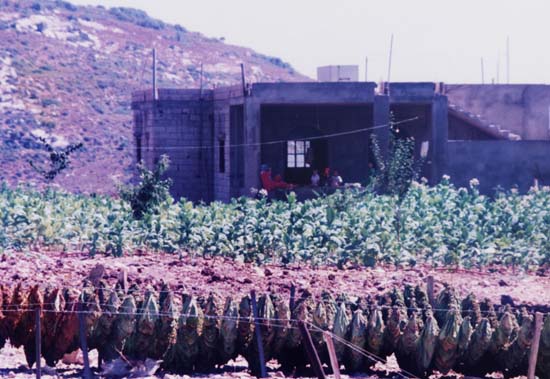
I just came from the South of Lebanon. I went to Tyre, to Hannaoui, Qana, Siddiqinne, Srifa, Bint Jbeil, Ainata, and Ein Ebel and many villages on the way. I so want to write but I still have no words. This was Tyre after all, the lovely city and its beach that I always wanted to call home. These were the villages at which I made friends, aided in Tobacco harvesting and drank the best tea ever. I still haven’t cried, I feel I am not entitled to. If I were to cry, what would I leave to the people that have lost loved ones and houses full of memories?

The spaces once full of friendly old men and women inviting any passer by, stranger or friend alike, to coffee, tea and grapes are now empty. The children no longer play football on the edge of the road, or roll wooden self made toys in the alleys. The late night gatherings under grape trees have gone. Their voices are now replaced by debris, dogs and dying cows. There is nobody in Siddiqinne. I tried to check on Mariam’s house but the road is too full of rubble for me to get there. I looked for one familiar face to say hello to, to ask how things have been, but there is no one there.

I went to Ainata to search for a friend’s mother. The cease fire is coming to an end and I am deep in the Bint Jbeil area. I have to return, I don’t know the house, there is very few people to help, but I insist on looking further. Zainab I say, Hussein’s mother, I describe his profession, his wife, again and again until I find he who knows the house. I climb the rubble. The house is half destroyed. I know this was the kitchen because of the plates squeezed under the rubble; She might have been there making a cup of tea I think, trying to squeeze normality into my presence in the house I have never visited before. There is no bathroom for me to identify, it is gone. I can’t know if she is there but I don’t have the heart to leave her son in the agony of ignorance. I approach seeking a different smell. I can’t believe that this is the way one look’s for a friend’s mother. Is it me doing this? But I am doing it; I have been smelling deaths for two days now. I still can’t know. I was hoping I would come and she would be in the house, waiting for somebody to help her through the difficult terrain, then I would call her son when in Tyre to say I have your mother with me and I am bringing her to Beirut. I was imagining the relieved smile on his face. This didn’t happen.

On the way I get a call, somebody from the Red Cross says they transferred a body of an unidentified woman from Ainata. I find myself wishing it would be her, I want them to at least know. If this cease fire ends without finding her, they will be spending many hard days. I go around one hospital after another, it is chaotic. We can’t see the bodies, we can’t find others who know her in the hospital. I have no consoling words for Hussein.

Today, hours before we head back to Beirut from Sidon, we know that the burial of all the bodies - too many to be kept in the ill-equipped hospital - is taking place at noon. There is no way any member of her family can get to Tyre in time. Maher decides to go. The cease fire has ended, the roads are no longer safe, but the risk is worth going through. I think there is only one loss greater than the death of a loved one; than that of not knowing. He is there now, the burial is delayed and Hussein has arrived. I can’t reach them by phone, they have no signal, and I write these words as I wait.

There is a lot to be told, the many stories I have encountered. I have pictures to share, and I will, I promise, but now I need to go, to talk to the families waiting to hear about their homes. The stories have to be told first to those who own them.


In need of a miracle

She was almost my age, my mother, back in the summer of 1982, that summer which holds my best conserved memories. I look at myself in the mirror and I almost see her face staring back at me. The fine wrinkles on the forehead, a few grey hairs, and the new habit I am acquiring of pulling my hair up. How does one describe the changes in one’s features? Like looking at old pictures and knowing you don’t look as young anymore, though you also know you haven’t changed. Maybe more than anything, it is the eyes that betray us; tired eyes through Kohol, our traditional black eyeliner, announcing to you and to the world that you are at war.

I can’t believe that I am living through this for the third time; one assault per decade. But I am a grown up now, neither the 9 year old girl of 1982, nor the enthusiast of 1996. I am 33 and I should know what to do. I should know the answers and all the magic tricks that would get us out of this, the same way I believed my mother did when she was my age. I blamed her though for allowing war to happen to me, I thought that is one thing she should have known better not to permit. She should be able to change the world, after all that is what mothers are capable of. At 33 I am relieved not to be a mother myself, because despite all my good intentions, I still haven’t learnt the magic tricks to get any child out of the agony of war.

The most frustrating side of all of this is that I am a believer in nonviolence, with an MA in peacebuilding. It is funny that the posters with the call of applications for the “3rd Annual Summer School for Conflict Transformation and Peacebuilding” still hang in the streets of the city and on the walls of NGOs we are spending our war times in. I was supposed to be assisting in that training. I would have told the participating youth about the difference between positions and interests, effective communication and some about empathy. I would have taught them nothing though on how to save the life of at least one child in the time of war, maybe because I don’t know how to do it myself.

I spent the past three days today listening to one story after another from people who lived a horrible week in the south. Hundreds trapped in a tiny shelter for 6 days, dead bodies still under the rubble, and 150 people walking for hours in hopes of reaching safety. I heard stories of the displaced; mothers with no water to bath their children and diabetes patients loosing limbs because they were without their medication for days.

The toll of the stories is too heavy, especially when I hear the usual question: “so you think what you are doing could be effective?” They are all giving me their stories, handing it on a plate of hope and trust, and I struggle with it all. I have no promises that I could keep to give in return.

Through the years, all promises of peace with dignity have betrayed them, those people whose stories I have heard. All the way from the Palestine related UN resolutions since 1947, through the “Peace of the Brave” and the Oslo accords; most (definitely not all) of those babbling the peace discourse have been nothing but agents for a project which people of this region didn’t accept. Neither have the intellectuals or activists, at least through the eyes of a southern Lebanese farmer, ever made a difference. They say, well thousands have demonstrated against the war in Iraq but it happened anyway. They say we had a UN resolution for the Israeli army (IDF) to get out of Lebanon for 22 years, but it was only implemented because of the armed resistance. Nasrallah, on behalf of Hizbullah promised them dignity, maybe through a lot of pain, but at least that is one group that people feel has delivered.

My friends, too, force me to be accountable to this same set of believes. Teasing me and placing bets that I would eventually hold arms if the IDF invades and reaches Beirut, the city they know I adore. I guess they know what would be my tipping point; I have seen this happen to the city back in 1982. After 2 months of living through the Israeli siege of Beirut, the IDF planes filling its skies and managing to injure my father and 8 year old brother and damaging the house in which I was born, the saddest part was seeing the tanks on the streets of the city. They were on the corniche - this is mine I thought, and they can’t be here. After all, the seaside pavement was almost my backyard. I had pictures taken there since maybe the day I was born, and from the same spot where I used to watch the sunset I had to stare at the people who have been bombing the places where I played, now strolling around them. I couldn’t understand it then, I wouldn’t bare it now. I say I will lay on the tanks’ way and let the tanks roll over my body if they may. I say the world will be with us and will be watching and this can’t continue. But I myself have too many arguments to counter that. The world has not really been watching in the past 14 days; have you seen the death of any Lebanese making the headlines in the past two weeks?

I struggle with it, I want to be true to the people with the stories; I want to be true to myself and my own need for dignity too. And yes, I am still a believer in nonviolence, through a belonging more humanistic than national, but I need results. I need at least one small miracle, at least one kept promise.

Dreams Deferred

en Frnacais: http://www.samidoun.org/fr/?q=node/24


It is Tuesday and Mariam has a smile on her face this afternoon; something that I haven’t seen since Saturday. She finally heard from her family. They are safe, she says, after a hard trip from Tyre to Sidon.

She has been staying at my house since Thursday morning, trapped in Beirut after the roads to her native village Siddiqine, just 12 kilometers west of Tyre were blocked. Her only alternative refuge was an apartment in Haret Hreik, too close to Hizbullah’s headquarters to be safe. I am relieved that she is here, out of harm’s way in my house that now hosts many other friends. I think of her family, this one is not their first escape. They fled Siddiqine last week and stayed with relatives in Tyre thinking it was safer. Indeed it could have been, because the name of the village was on TV too often today. The family had its share of the war and of IDF attacks over the years. Back in 1996, their village was hit hardest losing 42 people in attacks on Qana’s UNIFIL camp. In 1993, almost a third of the village’s houses were destroyed in another Israeli attack


Her father is still in the village, making sure their cattle and land is taken care of. The tobacco is in season and now it should have been picked and hung to dry, but the usual laborers are not there. This is the families main source of income, one crop that they labor for 11 months a year. Picking the leaves is a tedious job in which the whole family contributes, working for 12 hours a day starting at four in the morning. What the crop will wield will determine how the family lives next year. This is not what worries her most though, she wonders if he father is alright. “I have no way of contacting him, I don’t think he is eating well, he never eats on his own”, she says as we prepare our meal.

Yet Mariam is making good use of her days here. Since yesterday I have been waking up to find that she is already in her post at the displaced meeting point, helping guide thousands of families fleeing their homes to schools in which they can take refuge. When I passed by her and other volunteers this afternoon they were still without breakfast, and even now at 1:00 am she remains on duty, wrapping up and organizing for tomorrow.

She still has the spirit of the 16 year old girl that I met 10 years ago when I was working on a youth development project in south Lebanon. They did marvelous work that granted them their elders’ admiration; a garbage collection project in a village where a municipality did not exist and summer entertainment programs for the younger children. We have made other friends then; Abed who is now working in Beirut we know is safe, but it is Mervat who we lost contact with. She should be in Tyre, but we can’t reach her since Friday as the phone lines are mostly cut off. The images of bombardments we see on TV and what we have heard from Mariam’s family and other friends who have escaped are no relieve.


I have kept contact with all three of them through the years, and continued to hold so much admiration for the little changes they struggle for. I know that Mariam has worked her way through a university degree despite the family’s financial hardship and managed to gain the community’s appreciation as an independent young woman. She is still struggling now; with a veil she is trying to abandon despite her family’s pressure and that of the religious school where she works. I wonder what will become of them in another 10 years, and fear that while a war is waged on their country, all they have done would seem so marginal. It is 2:00 am and as she enters the house, I pray she finds the strength to continue her own struggle as she supports her family and village through the impact of all of this; when and if this ends that is. Above all though, I pray that we hear from Mervat soon.

Mohammed's Story

en español: http://www.tlaxcala.es/pp.asp?reference=791&lg=es

It is not me they should be worrying about, my friends from countries around the world who have been calling since Wednesday; after all I live in one of the safest areas of this country, next to embassies, and prime ministers. I have water and electricity, and above all internet. If they are to worry, they are to think of the tens of people I am calling everyday. People in the south of Lebanon who are under the shelling, and isolated from the rest of the country. If I am to share a diary I will not share mine, but that of my friend Mohammed and his family.

There are forty people in Mohammed’s two bedroom house since Thursday. Along with his wife and his twin boys, are his brothers and sisters, their children and their 70 year old mother. Their village has been attacked and is relatively unsafe. Unfortunately the place they are staying at now is not any safer. They are in Al-Hosh, a suburb of the city of Tyre. Yesterday night a gas station hundreds of meters away was bombed, and they have been hearing the shelling all day today. They have no electricity. The generators, already present in most regions, of the country are running out of fuel as the roads to the south are all destroyed now. Water which should reach the houses through electric pumps is now scarce due to the electricity pumps.

The family feels isolated, the road back to their village was already destroyed so are the roads to other regions of the country. “It is like we are living on the margins of life, things might happen here and nobody would know.” We talk about Naim, a kid we both knew from a Zibqine a lovely village south of Tyre. He died on Thursday along with 11 other members of his family when their family home was bombed. Some of the bodies might still be under the rubble. “Basseeta”, he says, literally meaning “it is simple” or “not a problem”, and I ask how can he say something like this, while his family is under siege and threat. He says it to continue, expecting that if anything happens to him and his family, the world, as with Naim, might also see it as too minimal of an incidence.

“We know the story too well, we lived it so many times” he says, “but this time I feel it differently”. “Yesterday, watching my children in their sleep, I was overwhelmed by the feeling of helplessness. How can I protect them? They are three and a half years old and I thought they were saved from the life we lived. I am scared of the possibility of running out of supplies, of gas, water and food for them. They are agitated, now trapped in the house with 38 other people for three days. What scares me too is that they are acquiring too early knowledge I wanted to shield them from. Yesterday, on the phone with their uncle in Germany, they asked for a tank, like the one the Israelis have, as a present on his next trip to Lebanon. It chokes me up. When I was kid I asked for plastic guns as a gift. We played “war” in the living room with cushions as our sandbags; this was a game they never played and I was hoping they would never learn. Yet, unfortunately, it seems I am not their only tutor.”